

Medina, from where I sit
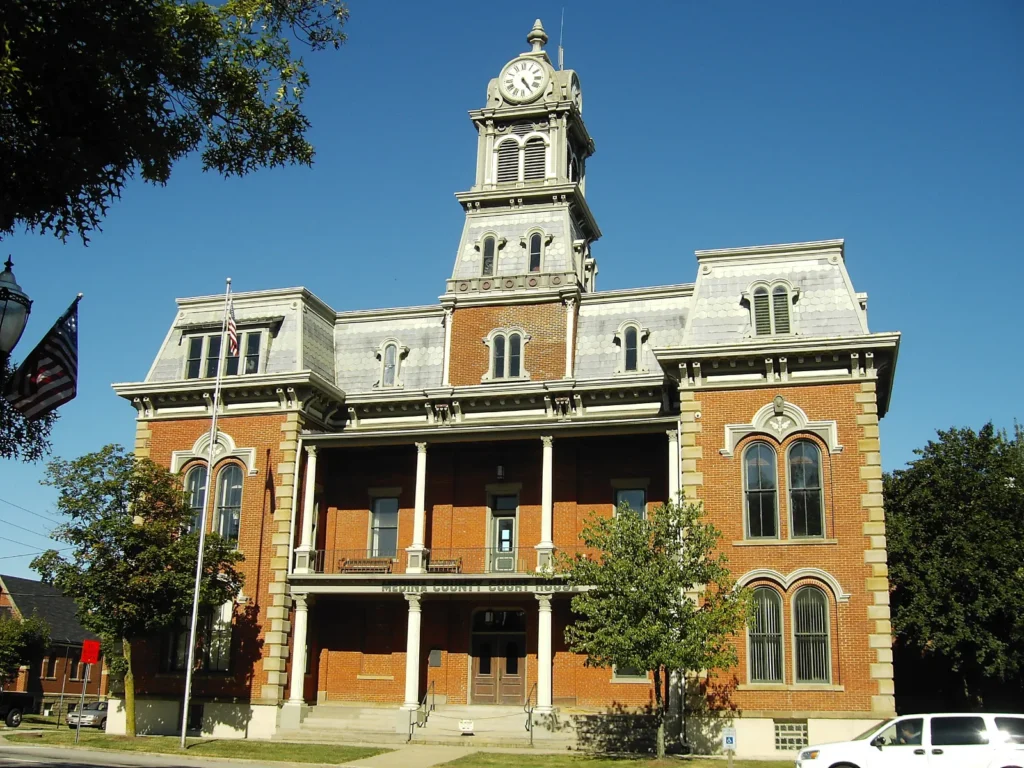
The Medina County Courthouse, Medina.
Photo: Brenda, CC BY 2.0 via Wikimedia Commons
Saturday morning in November, the square is cold enough that the girls argue about mittens and lose. We park on South Court Street and walk up past Castle Noel, the Christmas museum in the old church, which my younger daughter believes is a real castle. I have not corrected her. By the time we reach the gazebo on Public Square there is a bag from Honey Bee Bakery in my hand and two fewer things in it than I paid for.
The square is the whole point of Medina. The old county courthouse on one side, brick storefronts on the others, the gazebo in the middle where the luminaries get lit the weekend before Thanksgiving and half the county stands in the cold to watch. My wife photographs it every year. I hold the coats.
What I notice, walking the streets that run off the square, is the houses. Tall Victorians on South Prospect, one of them a museum now, the rest still somebody’s home with a porch that gets repainted every few summers. Ranch houses a few streets farther out, the kind a couple bought in 1968 and never left. Farmhouses on the township roads out toward Buckeye Woods, fields cut down to stubble. People here own their homes. They have for a long time.
I’m Ruben J. Martinez, an estate planning attorney licensed in California and Ohio. I work with Medina families by video, by phone, and in person by appointment.
The houses
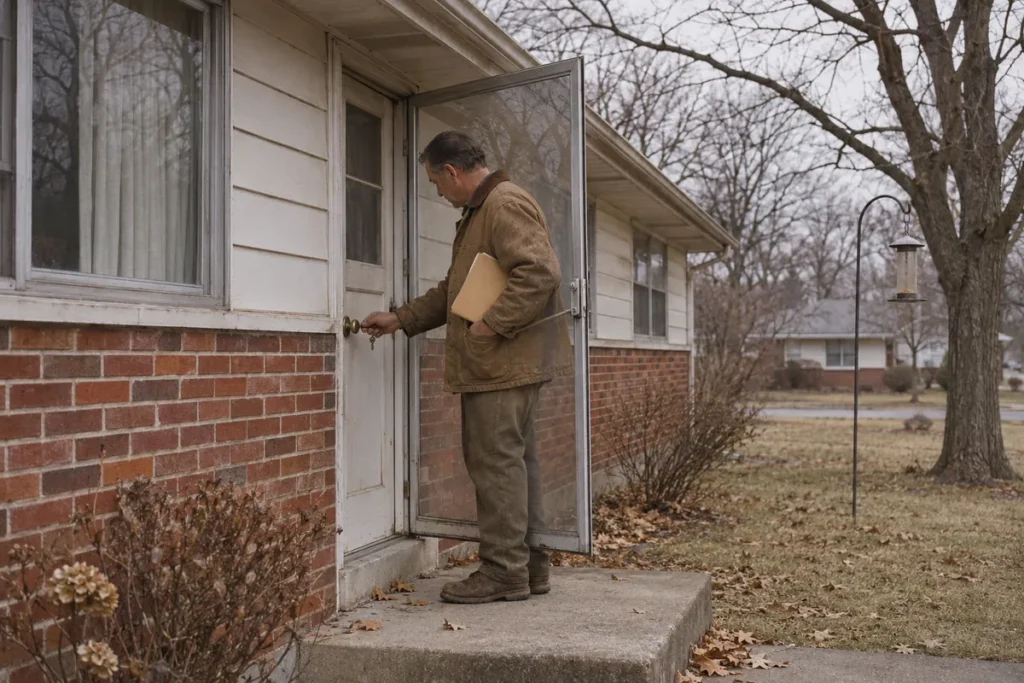
Photos on this page are illustrations and do not show actual clients.
Here is what I see at Medina kitchen tables. A house that has been paid off for twenty years. Sometimes a second one, left behind by a parent, that nobody ever retitled. Forty acres in the township that the kids drive back from Columbus to see at Christmas and would not know how to farm. A retirement account from one long career.
Most of the time the house is not part of the plan. It is the plan. Mom and Dad intend for it to go to the kids, the kids assume it will, and nobody has checked how. In Ohio a house passes by what the deed says, not by what the family meant. If the deed holds one name and that person dies, the house goes to the county probate court, will or no will.
Most of the houses I see in Medina are not in a trust. Most do not carry a transfer-on-death designation either. They are simply owned, the way they always have been, by someone who is getting older.
What Medina families ask me
Do I need a living trust if I own a house in Medina, or is a will enough?
A will tells the probate court what you want. It does not keep your family out of the probate court. If the house is in your name alone when you die, someone files in Medina County Probate Court whether you left a will or not. A revocable living trust holds the house during your life and hands it to the people you name without a judge. For most homeowners, that is the whole difference. I would read your deed first, then ask about your family, then decide.
My mother is in a nursing home on Medicaid. Will the state take her house?
Ohio has an estate recovery program. After a Medicaid recipient dies, the state can make a claim against what she owned, including the house, and the claim is not limited to what passes through probate. Recovery waits while a spouse is living, and there are other exceptions and a hardship process. The rules are specific and timing matters. I would want her deed and her Medicaid history in front of me before anyone sells or signs anything.
My dad died without a will. What happens to the house?
Ohio law decides who inherits when there is no will, usually the spouse and children in set shares. Someone must be appointed by the probate court to act for the estate, gather what he owned, notify creditors, and transfer the house. It can be done. It is slower and more public than a trust would have been. I would open the estate, carry the filings, and get the deed into the right names.
My parents named me successor trustee. Where do I start?
Being named trustee is an honor and a job. The first weeks are notices: to the beneficiaries, to the banks, to the county for the real estate. Then an inventory of what the trust holds, careful records, and fair treatment of every beneficiary, including the sibling who calls most. I walk trustees through each step, and I help beneficiaries understand what they are owed, so the family is still a family when the trust is done.
How it works from here
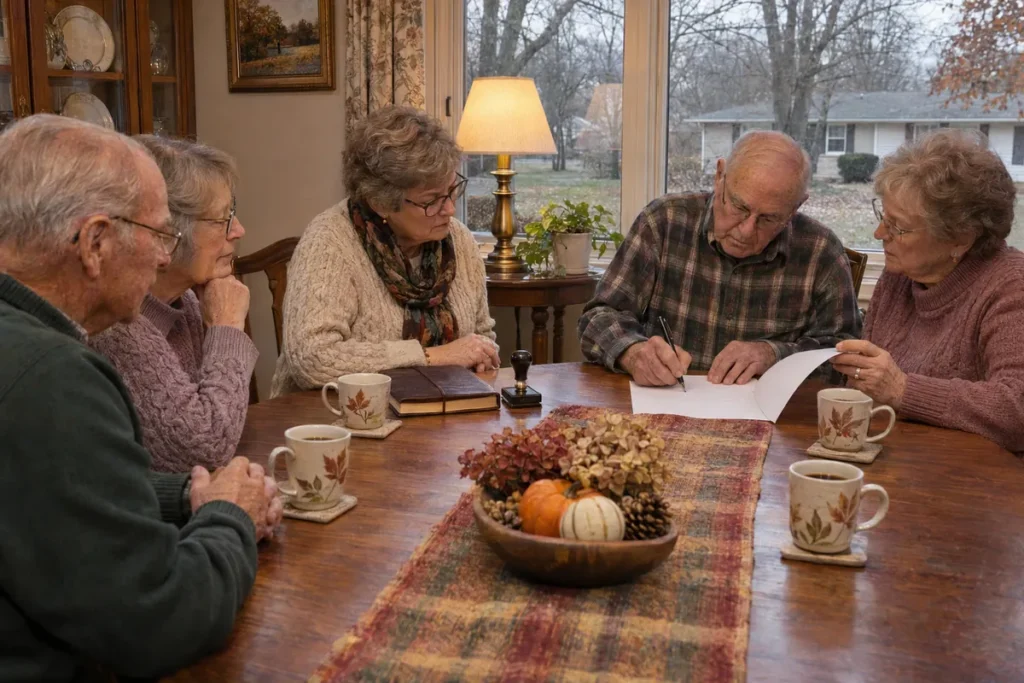
Your first and second consultations are free, by video or phone. In the first one, I listen. You tell me who is in the family, what you own, and what worries you. I tell you what I would do and what it costs before you commit to anything.
Before the second call, gather the deed, recent account statements, and any old will or trust. I draft from there. You read the drafts at your own table and send me questions; most people have three or four. We fix them.
Signing is in person, by appointment in Medina County, with a notary and witnesses. The deed work and any transfer-on-death paperwork get recorded with the county. First call to signed plan is usually a few weeks, slower when the family is scattered and faster when everyone is ready.
When the family is home
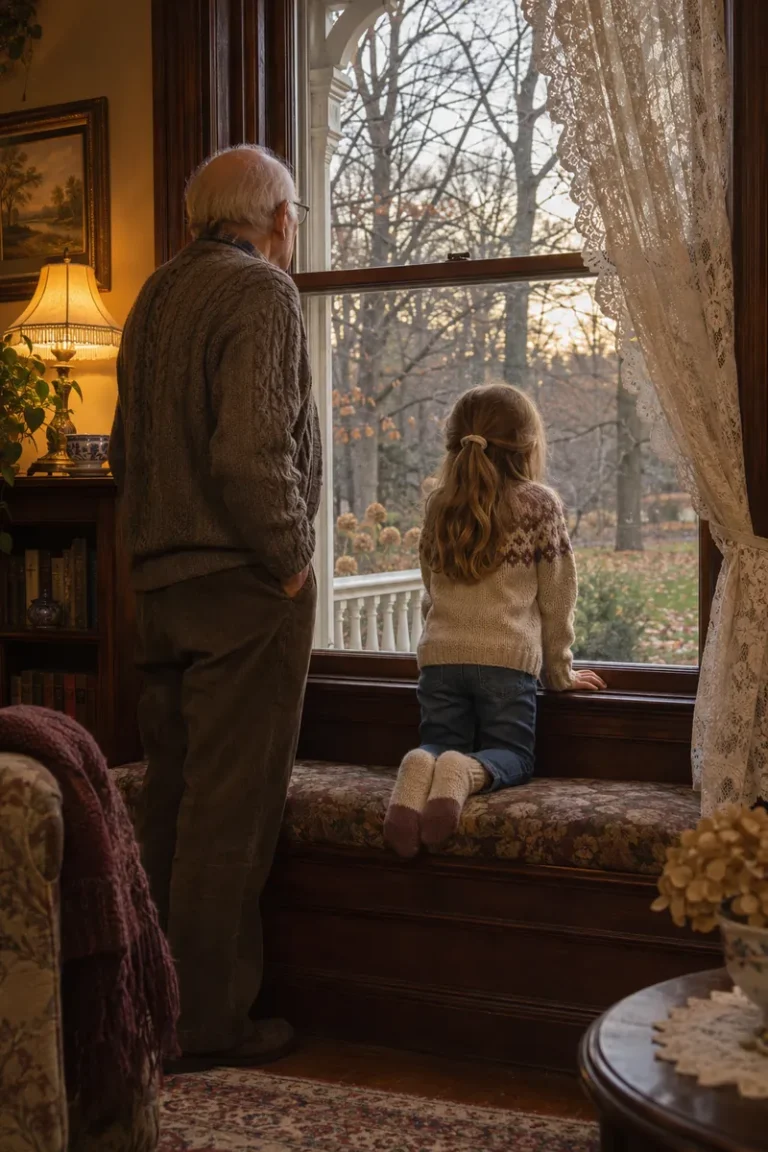
The first Thanksgiving after the girls were born, I looked down the table and realized something. Every grown-up there assumed somebody else had the paperwork. The parents figured the kids knew where things were. The kids figured the parents had handled it years ago. Nobody had. I am an estate planning attorney, and I had not asked my own mother.
That is how most tables go. The parents want to say it. They have meant to for years. The children do not want to hear it, because hearing it means picturing the chair empty. So the pie comes out and the moment passes, again.
There is one sentence that opens it, and it is not about dying. It is a question: “Mom, if something happened, where would we even look?” That is all. Where is the deed. Who is the doctor. Is there a will, and in which drawer. The answers are a gift the parents get to give, and most of them have been waiting to be asked.
If someone in your family has just died
This week: find the will and the trust, if there are any. Lock the house, forward the mail, keep paying the utilities and the insurance. Order several certified death certificates. Do not move money, sell anything, or let a cousin borrow the truck.
Within a month: find out whether the estate needs probate at all. Ohio has a release from administration for smaller estates and full administration for the rest. If the house was in a trust, the successor trustee can begin right away.
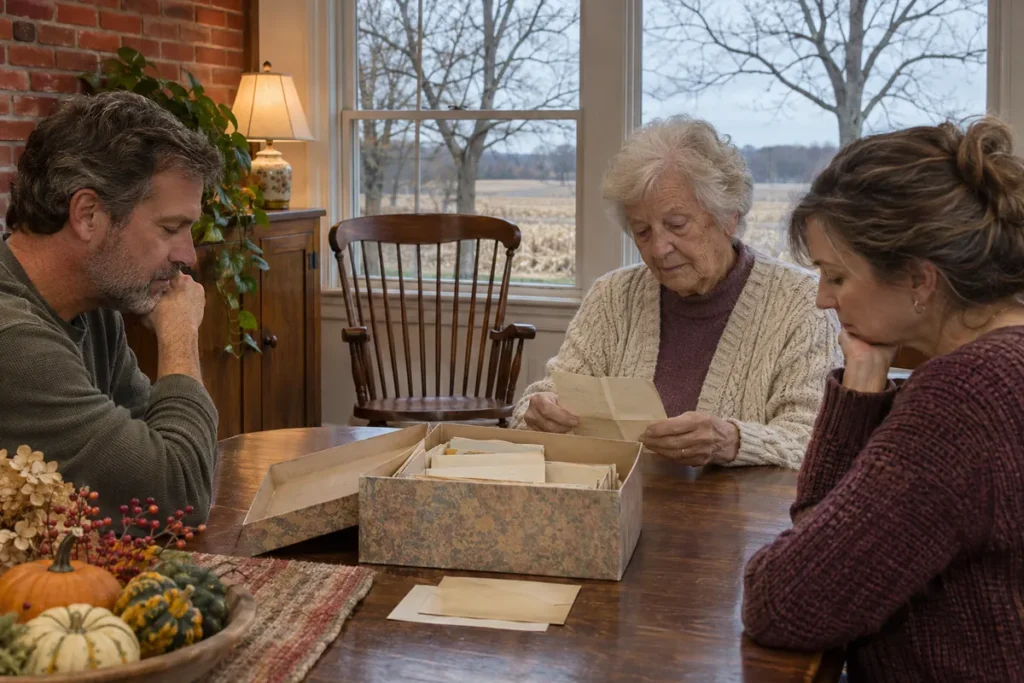
Medina families file in Medina County Probate Court. I handle the filings and the deadlines so the family can grieve without carrying the paperwork. Settling a parent’s estate, one box at a time.
Around town
The gazebo and the Candlelight Walk
The gazebo on Medina’s Public Square looks older than it is. It went up on June 13, 1975, built as a copy of the 1879 gazebo in Bellville, and in half a century it has become the center of the square in every sense.
Its biggest night is the Candlelight Walk. The 41st was held in 2025: the tree lighting, the Parade of Lights around the square, and live reindeer, which is the part the children will tell you about afterward. Families stand on the sidewalks in the cold, and the same families tend to stand in the same spots year after year.
That sameness is a kind of inheritance. Nobody leaves a spot on the sidewalk in a will, but families pass those places down all the same, along with the stories that go with them. Writing a plan is how a family makes sure the rest of what it means to pass down gets there too.
The ferry to Put-in-Bay
For Medina families, a summer weekend on Lake Erie often means an island. The Miller Ferry runs from Catawba to Put-in-Bay, and the Miller Boat Line has been carrying people across that water since 1905.
The crossing is short, which is part of the charm: long enough for the kids to feel they have gone somewhere, short enough that nobody gets restless. Families spend the day on the island, eat outside, and watch the boats come in. Then they ride the ferry back with sunburns and a souvenir somebody swore they would not buy.
A family that has made that crossing every summer for thirty years has something no deed records: a shared calendar, a set of jokes, a sense of what summer is supposed to feel like. A plan cannot write that down. It can make sure the people who carry it stay on good terms.
Talk with Ruben
Ohio: (330) 960-6084. California: (909) 375-3377. Your first and second consultations are free, by video or phone; in person by appointment. Admitted in Ohio in 2026 and in California in 2020. Serving Medina County and Summit County, Ohio.
If you see a man on the square holding two small coats and a bakery bag, that is probably me. Say hello.
More from Ruben: estate planning, uncontested probate and trust administration · why a living trust matters if you own a home · Also serving Seville, Wadsworth, Akron.