

Whittier, from where I sit
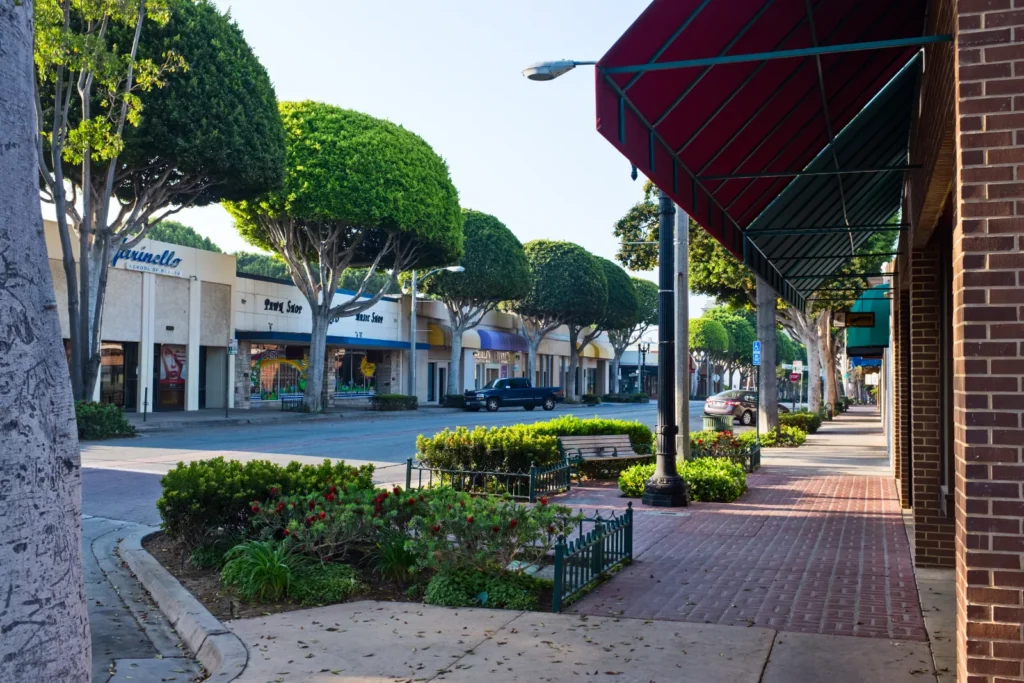
Greenleaf Avenue, Uptown Whittier.
Photo: Northwalker, CC0 via Wikimedia Commons
Saturday morning on Greenleaf Avenue, Uptown, before most of the shops have their doors open. The sidewalks are wide and the trees are old and the girls are negotiating for a pastry they have not technically earned. My wife is already on the other side of the street with the camera, because the light comes down Greenleaf at a low angle this time of year and she will not waste it.
We park near the top of Greenleaf, where the street climbs toward the hills and ends at the Hellman Park gate. The gate opens at nine. By a quarter past we are on the Peppergrass Trail, steep enough that I stop pretending it isn’t, a daughter on my shoulders and the whole city below: the Craftsman and Spanish Revival roofs around Uptown, the flat postwar tracts running south, and on a clear morning the towers downtown. Quakers laid this town out in 1887 and named it for a poet. It still looks like a place planned by people who intended to stay.
Afternoons, we might ride the Greenway Trail, the old rail corridor the city turned into a bike path, or let the girls run the grounds at Pio Pico State Historic Park, where the governor’s adobe has stood since before California was a state.
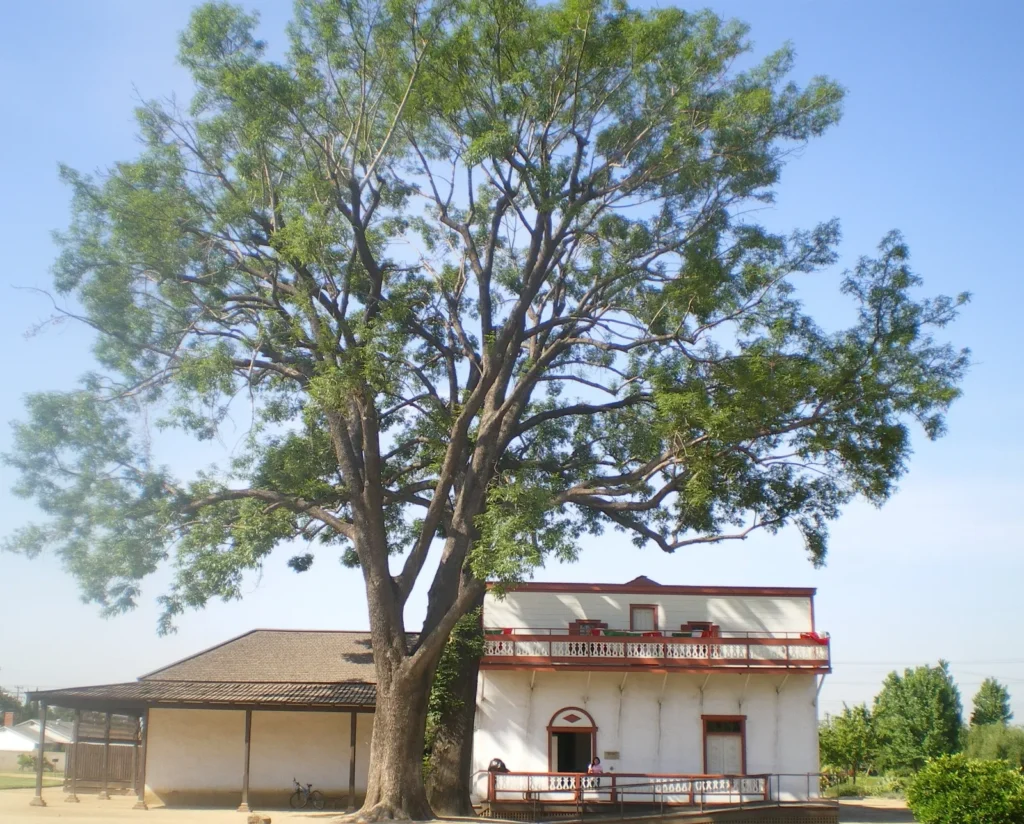
Photo: Los Angeles (Commons user), CC BY-SA 4.0 via Wikimedia Commons
I’m Ruben J. Martinez, an estate planning attorney licensed in California and Ohio. I work with Whittier families by video, by phone, and in person by appointment.
Photo: Los Angeles (Commons user), CC BY-SA 4.0 via Wikimedia Commons
The houses
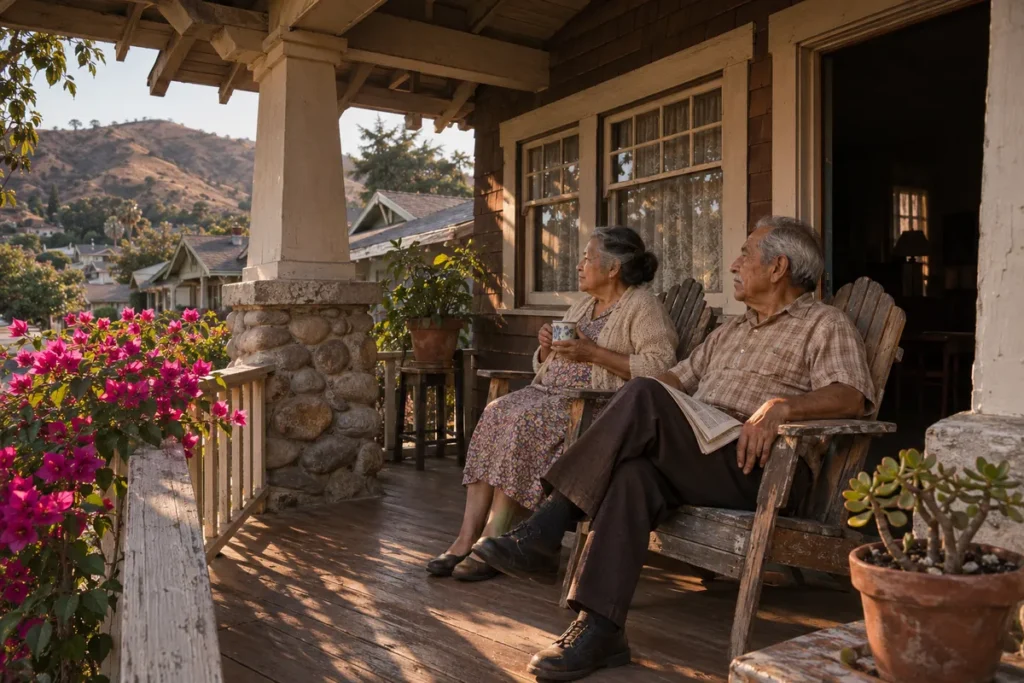
Photos on this page are illustrations and do not show actual clients.
Whittier has two kinds of houses and one kind of problem. Near Uptown and the college are the old ones: Craftsman bungalows with deep porches, Spanish Revival houses with arched windows, a few Victorians, owned by people who restore them one weekend at a time and would not leave for any price. South and east are the postwar tracts, three-bedroom stucco houses that filled the orange groves after the war, bought by the parents and grandparents of the people I talk with now.
The problem is the same on both sides of Whittier Boulevard. The house is the inheritance, often the only one. The parents who bought it are in their eighties, the mortgage has been gone for decades, and the deed still has their names on it and no one else’s.
A house in a person’s name goes through probate, and in Los Angeles County that means a courthouse downtown, not here. A house in a living trust goes straight to the children. The difference is a few pages and a recorded deed.
What Whittier families ask me
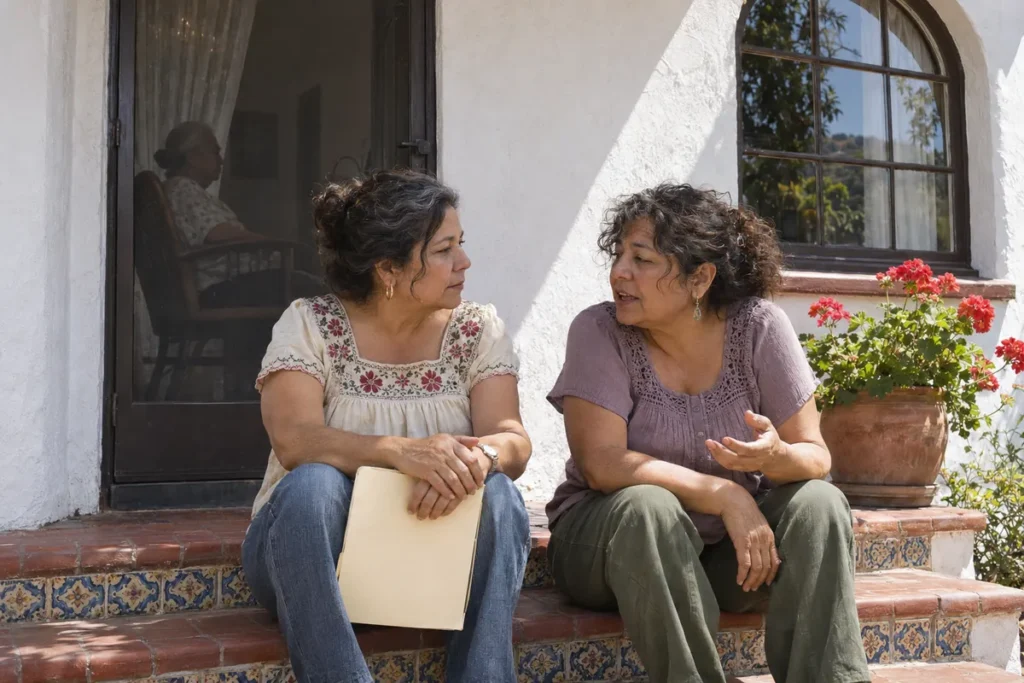
We own a Craftsman near Uptown. Do we really need a trust, or just a will?
A trust. A will does not keep your house out of probate; it only tells the court what you wanted once the court is involved. A revocable living trust owns the house during your life and lets your successor trustee pass it on without a judge. I would draft the trust, record a deed moving the house into it, and make sure your accounts and beneficiary forms point the same direction, so a house you spent years restoring does not spend a year in court.
My father died in Whittier without a trust. Where does probate happen and how long does it take?
Probate for a Whittier resident goes to Los Angeles County Superior Court, and the probate division sits downtown at the Stanley Mosk Courthouse. It is a busy court. Expect many months between the first petition and the order allowing distribution, with a hearing to appoint the personal representative, an inventory and appraisal, a creditor period, and a final accounting. I file, I calendar, I appear, and I tell you plainly what comes next.
I want to move into my parents’ Whittier house after they pass. Will my property taxes go up?
Under Proposition 19, this is the one situation where a child can usually keep a parent’s low assessed value: the house was the parents’ primary residence, the child makes it their own primary residence within the time the law allows, and the increase in value stays under the limit the law sets. Above that limit, the taxes rise partway. If you rent it instead, the base resets entirely. I would look at your parents’ assessment and your plans and give you the real number before anyone signs anything.
My sister and I are co-trustees of Mom’s trust and she still lives in the house. What do we do?
Being named trustee is an honor and a job, and doing it with a sibling is both of those twice. The law requires a notice to every beneficiary and heir, an inventory and valuation, careful records, and fair treatment of everyone, including the sister who lives there. I would help you both agree in writing on what happens to the house, handle the notices and accounting, and keep the trust from becoming the thing the family fights about.
How it works from here
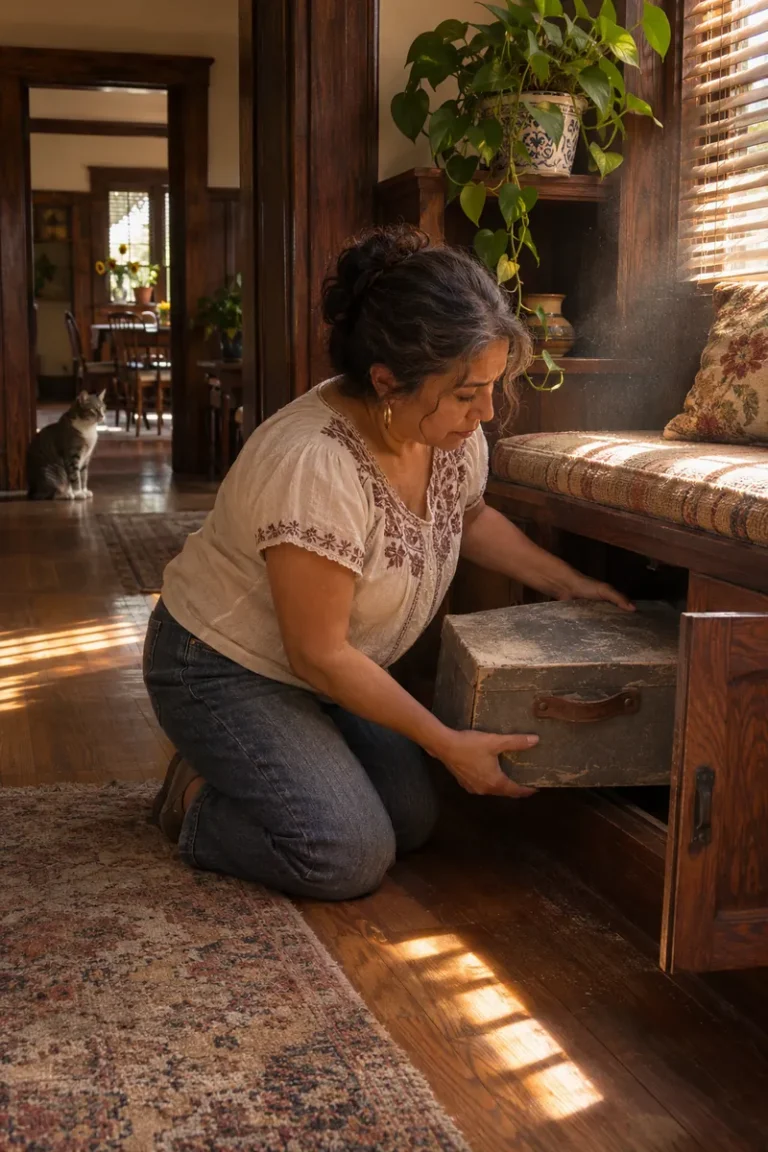
Your first and second consultations are free, by video or phone. I listen first, to you and to whichever parent or sibling needs to be on the call.
Then I send a short list of what to gather: the deed, mortgage and account statements, and the names of the people you trust to act for you. I draft the documents and send them to read at home. We change what needs changing. Then we sign and notarize, in person by appointment or with a mobile notary, and I record the deed into the trust.
Most Whittier families are done in a few weeks. Hunting for the original deed to a 1920s bungalow is usually the slow part.
When the family is home
The first Thanksgiving after the girls were born, I sat at a table full of grown-ups and realized each of us was sure somebody else had the paperwork. Nobody did. We were all somebody else.
Whittier families tell me the same story every year. The parents want to say it; they have been carrying it around since summer. The children do not want to hear it, because hearing it means picturing that porch without the two people who always sit on it. So the pie gets served, and the subject waits another year.
There is one question that gets past all that, and it is not about dying. It is about finding.
“Mom, if something happened, where would we even look?”
It is a gift to ask. A parent can answer with a drawer, a closet, a name. And if the honest answer is “I don’t know,” the table has just learned the one thing it most needed to know, and nobody had to say anything harder than that.
If someone in your family has just died
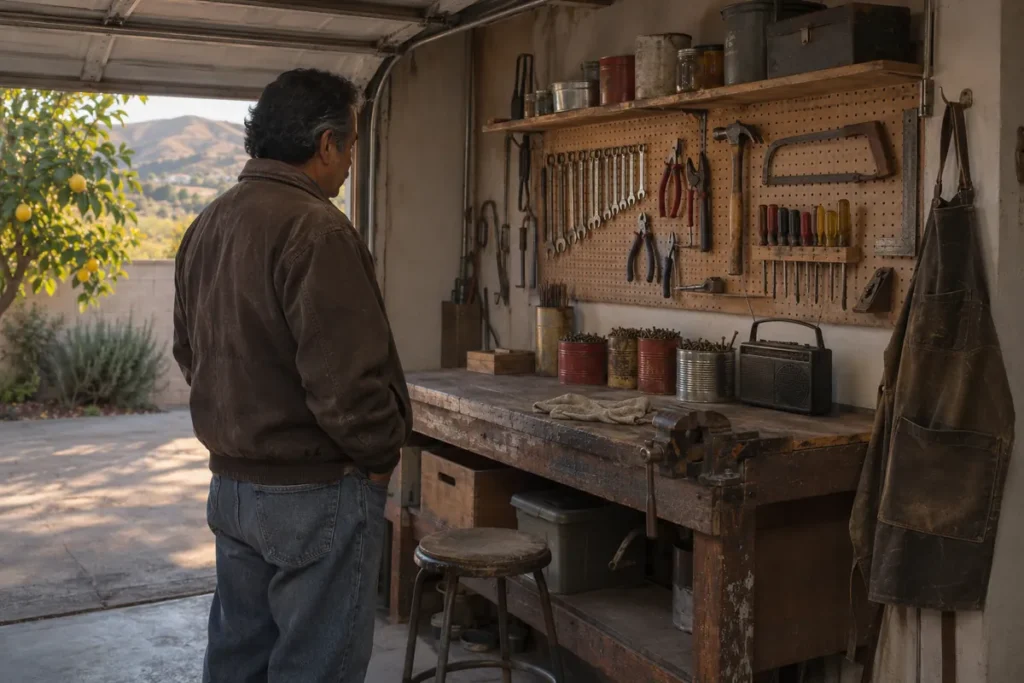
This week: get several certified death certificates, secure the house and the mail, and look for a will or trust. Do not start handing things out, even to the brother who was promised the tools in the garage.
This month: locate the accounts, notify Social Security and any pension, and call me. If there is a trust, I guide the successor trustee through the notices, the inventory, and the distribution. If there is no trust, I file the probate petition with Los Angeles County Superior Court at the Stanley Mosk Courthouse downtown, and I carry the filings and deadlines so the family can grieve without carrying the paperwork.
Around town
Arturo’s Puffy Taco on Leffingwell
The puffy taco came to this corner of Southern California from San Antonio. Arturo Lopez and his wife, Gloria, brought it, opening first in La Habra in 1977 and then in Whittier, at 15693 Leffingwell Rd. They trademarked the name together. The sign still calls it California’s only, the original. The shell is deep-fried until it puffs: crunchy on the outside, tender inside. Ground beef is the top seller.
In time Gloria and their son, John, carried the Whittier stand on. That is the part of the story worth slowing down for. A recipe crossed two states, then crossed a generation, and the doors on Leffingwell stayed open.
Families who have been coming for years tend to order the same thing they ordered the first time, and now they bring their kids to order it too. A business handed from parents to a son is a plan somebody made on purpose. Most family plans start smaller than a restaurant. They work the same way.
On the other side of town, Rubi’s on Washington Boulevard serves breakfast burritos from a drive-up window, under red awnings that read Breakfast, Lunch, Dinner.
Up the hill to Lake Gregory
When Whittier families wanted the mountains for a day, many went to Lake Gregory, in Crestline. The lake itself is a piece of public works history: crews built it under the WPA between 1937 and 1939. Today it has a swim area and water slides, which is all a ten-year-old needs to know about it.
The appeal is that it does not take much planning. Load the car, pack the sandwiches, and by afternoon the kids are in cold mountain water and the grown-ups are on a towel arguing happily about who forgot the sunscreen. It is a day that feels like a vacation without asking for one.
A lake built by people putting their hands to work in hard years, still full of families almost ninety years later, is a fair picture of what an estate plan is for. Somebody builds it. Other people get to swim in it.
Talk with Ruben
California: (909) 375-3377. Ohio: (330) 960-6084. Your first and second consultations are free, by video or phone, and I meet in person by appointment.
Mailing address in Brea, California.
The people who laid out Greenleaf Avenue planted trees they would never sit under. An estate plan is the same kind of gesture, with less digging.
More from Ruben: estate planning, uncontested probate and trust administration · why a living trust matters if you own a home · Also serving La Habra, Fullerton.