

Wadsworth, from where I sit
Paid off in 2004. Titled the way it was in 1974.
Photos on this page are illustrations and do not show actual clients.
First Friday in Wadsworth, a little after six, the square downtown is full and College Street is closed to cars. There is a band, chairs people carried from home, and a line of children who want whatever is being handed out at the next storefront. My girls are in that line. My wife is across the street photographing the marquee at Dolce at the Strand, the old movie theater that sells gelato now. I am holding the curb and the napkins.
Earlier we were at Memorial Park, where the new playground is themed on the Blue Tip matches this town made for most of a century. My daughters do not know what a strike-anywhere match is. They know the slide is tall, which is enough. We walked from there past the library on Broad Street, named for the woman who gave the town a house to put its books in.
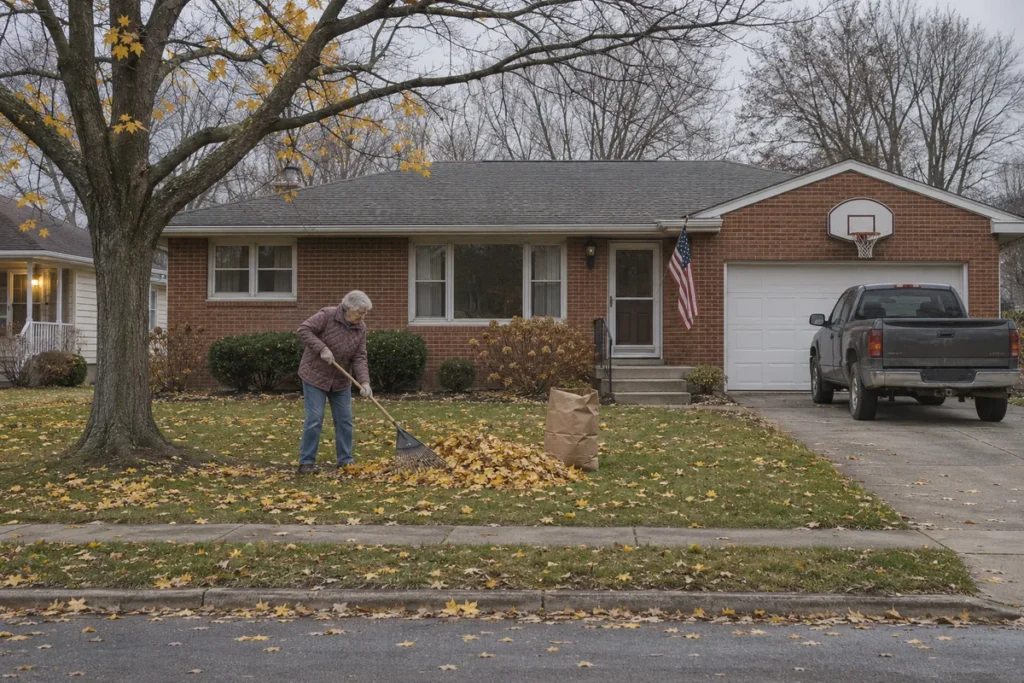
Wadsworth is a working town that stayed one. The houses show it: bungalows and two-stories close to downtown with deep porches, ranch houses from the fifties and sixties farther out. A truck in the drive, a hoop over the garage, a flag. Owned, most of them. Paid off, a lot of them.
I’m Ruben J. Martinez, an estate planning attorney licensed in California and Ohio. I work with Wadsworth families by video, by phone, and in person by appointment.
The houses
Here is what a Wadsworth family tends to have. A house bought on a factory or hospital or school-district paycheck, paid down every month for thirty years until one day the statement said zero. A pension or retirement account from the same employer. A savings account that was never large and never touched. Sometimes a parent’s house a few streets away with the heat turned low.
The house is the inheritance. Not a piece of it. The thing itself. In most families I sit with, that house is worth more than everything else put together, and it is titled exactly as it was in 1974: husband and wife, one of whom is now a widow.
It isn’t.
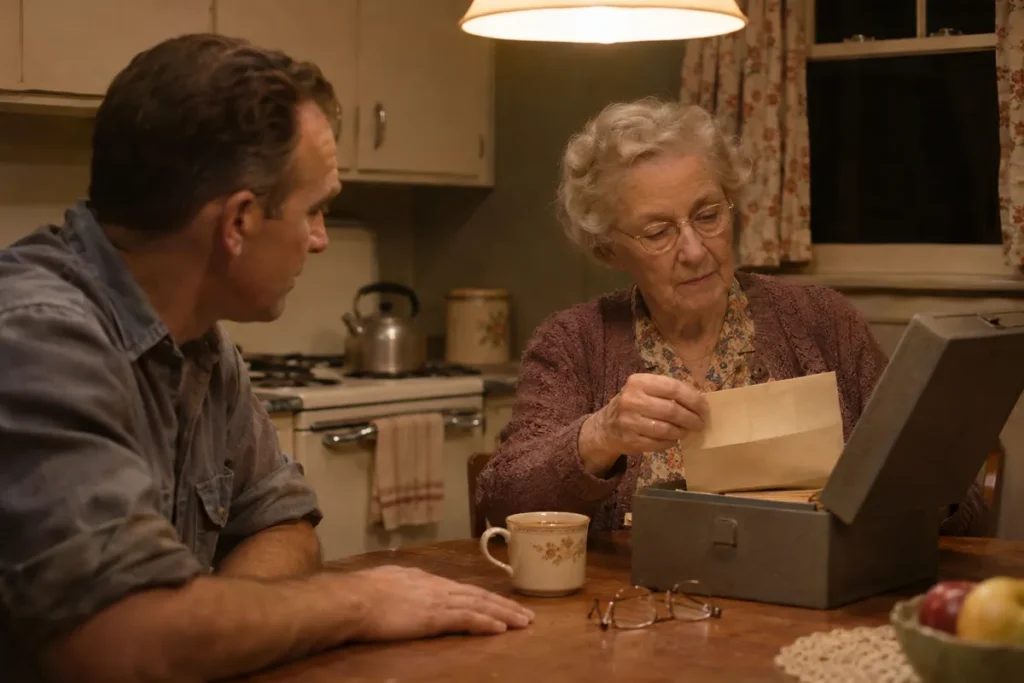
That is my answer when someone says the house is “all taken care of” because there is a will in the fireproof box. A will is instructions for the probate court, not a way around it. In Ohio, a house with one name on the deed goes through Medina County Probate Court when that person dies, will or not. Most Wadsworth houses I see are not in a trust and carry no transfer-on-death designation. They are owned, which is good, and unplanned, which is fixable.
What Wadsworth families ask me
Is a transfer-on-death affidavit enough to keep my Wadsworth house out of probate?
For the house, yes. Ohio lets you record a transfer-on-death designation affidavit with the county naming who receives the property when you die, and that parcel skips probate. It is short and inexpensive, and I use it. What it does not do: cover your accounts or your car; help if the person you named dies first; or let anyone manage the house if you are alive but unable. For a widow with one child and one house, it may be the whole plan. I would tell you plainly whether you are that family.
Do I need a living trust, or is a will fine?
A will names an executor and says who gets what, and it still sends your family to the probate court to carry it out. A revocable living trust holds the house and the accounts now, lets you manage them exactly as you do today, and hands them over without a court when you die or if you cannot act. For a paid-off house and a couple of accounts, the trust is usually the less expensive path over time. I would look at what you own and give you a straight answer.
My father is going into a nursing home. Does Medicaid take the house?
Nothing is taken during his life beyond the rules for qualifying. After he dies, Ohio’s estate recovery program can claim against what he owned, including the house, and the claim can reach past probate. Recovery waits while a spouse is living, and there are hardship exceptions. Timing and title are everything here. I would want the deed and the full picture before anyone transfers or sells.
I’m the successor trustee for my mom’s trust. What do I owe my brother?
Information, fairness, and a record of everything. Ohio law requires a trustee to notify beneficiaries, keep them reasonably informed, account for what comes in and goes out, and treat them impartially. Your brother is entitled to know what the trust holds and what you are doing with it, even when he is not entitled to decide. I set up the notices and records so the trustee is protected and nobody is left guessing.
How it works from here
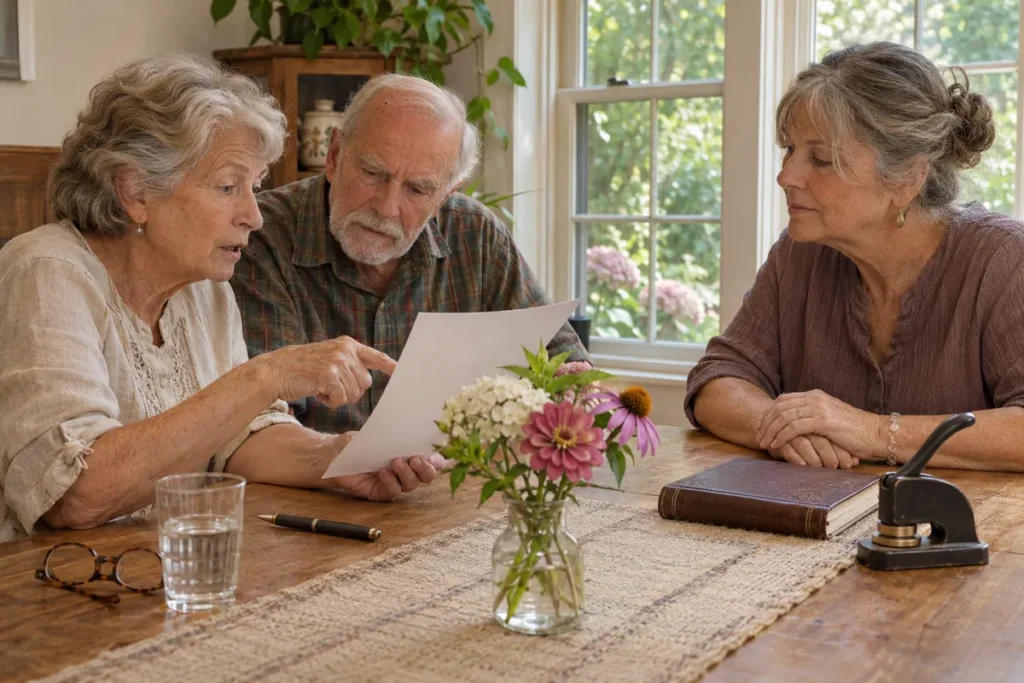
Your first and second consultations are free, by video or phone. In the first, I listen: who is in the family, what you own, what worries you. Then I tell you what I would do and what it costs, before you commit to anything.
For the second call, have the deed, recent account statements, your life insurance and retirement beneficiary forms, and any old will. I draft from those and send the drafts to read at home. Ask every question. There are no dumb ones in this line of work, only unasked ones.
Signing is in person by appointment in Medina County, with a notary and two witnesses. Deeds and transfer-on-death affidavits are recorded with the county. First call to finished plan usually takes a few weeks.
When the family is home
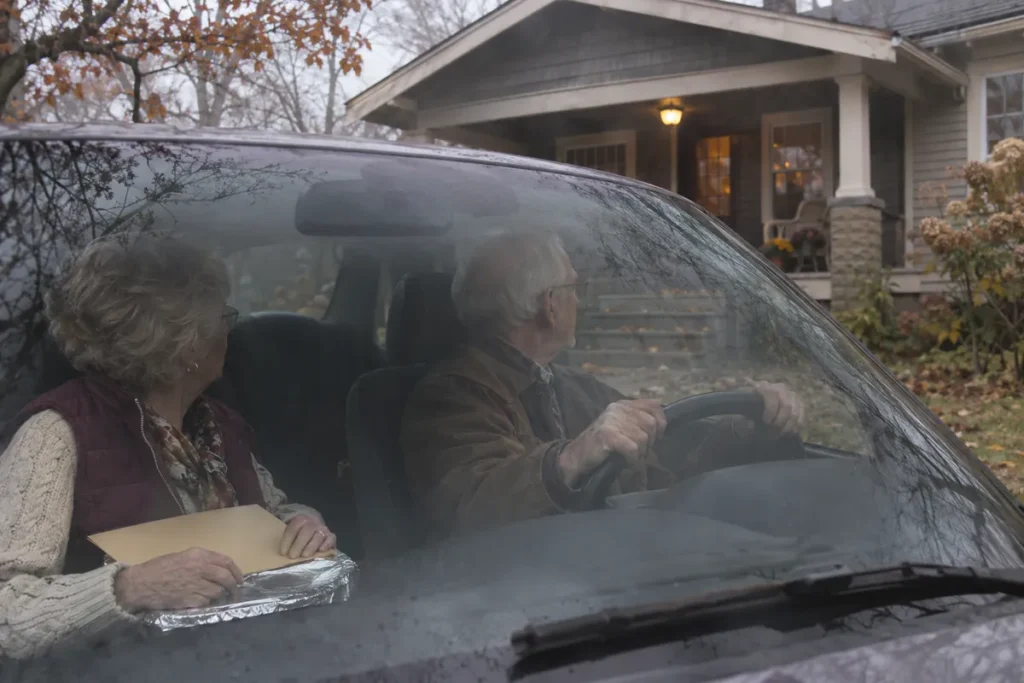
The first Thanksgiving after the girls were born, I counted the grown-ups at the table and realized every one of us assumed somebody else had the paperwork. My mother assumed I knew where her things were. I assumed she had done the planning she had talked about for years. Nobody had. I do this for a living, and the gap was at my own table.
It is like that in most houses. The parents want to say it; they have rehearsed it in the car. The children do not want to hear it, because hearing it admits the day is coming. So the game comes on and the subject does not.
One sentence opens the door without pushing anyone through it: “Mom, if something happened, where would we even look?” Where is the deed. Which bank. Is there a will, and in which drawer. It is a question about help, not about death, and the answer is a gift the parents have been waiting to give.
If someone in your family has just died
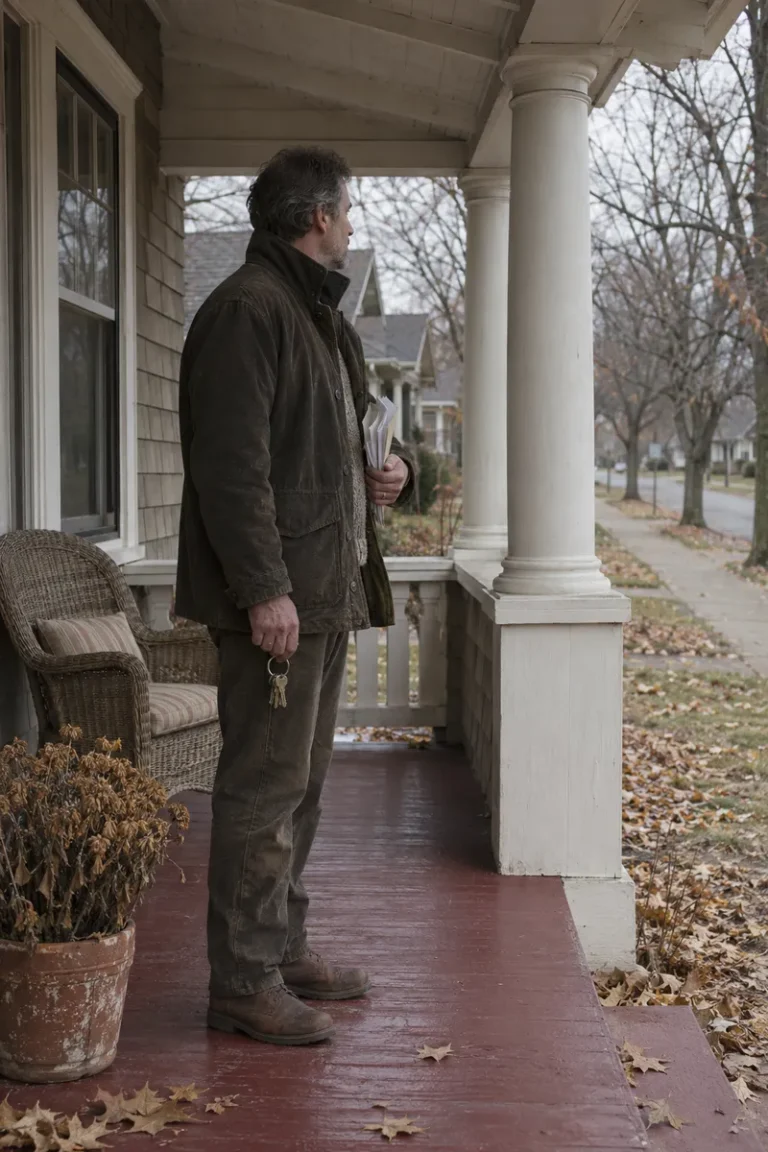
This week: find the will and any trust. Lock the house, forward the mail, keep paying the insurance and utilities. Order several certified death certificates. Do not move money, sell the car or let anyone take “what Dad always said was mine.”
Within a month: find out whether the estate needs probate. Ohio has a release from administration for smaller estates and full administration for larger ones. A house with a transfer-on-death affidavit, or in a trust, may pass without the court.
Wadsworth families file in Medina County Probate Court. I handle the filings and deadlines so the family can grieve without carrying the paperwork. One box at a time.
Around town
The Blue Tip Festival
Wadsworth made matches for most of a century. The Ohio Match Company ran from 1895 to 1987, and the town has not let anyone forget it. Since 1972, the Blue Tip Festival has opened each summer with a giant match lit at Memorial Park, starting the first Tuesday after Father’s Day.
It is a hometown festival in the plainest sense. Families who have not seen each other since last June find each other in the crowd. For a lot of Wadsworth families, the festival is tied to someone who worked for the match company, a grandparent or a great-aunt whose paycheck came from Blue Tips. The giant match is how the town keeps their work in view.
That is the instinct behind every good family plan: keep the people who came before in view, and leave the people who come after something they can use.
Cedar Point on the lake
Cedar Point, on Lake Erie, has been a weekend for Ohio families since before anyone now alive. It started as a bathing beach in 1870. The first roller coaster went up in 1892, and the Hotel Breakers opened in 1905. A young Knute Rockne worked there as a lifeguard, long before he was a name anyone knew.
For Wadsworth families, Cedar Point is a measuring stick. The year a child was finally tall enough. The year a grandparent stopped riding and started holding everybody’s hats. The ride that was terrifying at twelve and gentle at forty.
Those annual trips are a family’s way of marking time together. Nobody plans them as tradition. They become one. A good estate plan works the same way: written once, it quietly keeps the family’s rhythms going after the people who started them are gone.
Talk with Ruben
Ohio: (330) 960-6084. California: (909) 375-3377. Your first and second consultations are free, by video or phone; in person by appointment. Admitted in Ohio in 2026 and in California in 2020. Serving Medina County and Summit County, Ohio.
Next First Friday, I will be the man at the curb with the napkins. Stop and say hello.
More from Ruben: estate planning, uncontested probate and trust administration · why a living trust matters if you own a home · Also serving Medina, Seville, Akron.